
Evolutionary Trends




Replacing single-use polyethylene packaging with materials such as paper or glass could increase greenhouse gas emissions by 190% in the United States and 50% globally, according to a recent study. The findings put the emissions consequences of material substitution at the center of a packaging decision that is often discussed in terms of reducing plastic use.
The reported figures compare a replacement scenario with the continued use of polyethylene packaging. A 190% increase means emissions in the modeled scenario would be 2.9 times the baseline; a 50% increase means they would be 1.5 times the baseline. The figures describe potential changes under the study's scenario, rather than observed increases from packaging already replaced.
For packaging buyers and suppliers, the immediate implication is that changing materials and reducing greenhouse gas emissions are distinct objectives. A substitution that reduces reliance on single-use polyethylene does not necessarily deliver a lower emissions result. The outcome depends on the products being compared and the assumptions used to assess them.
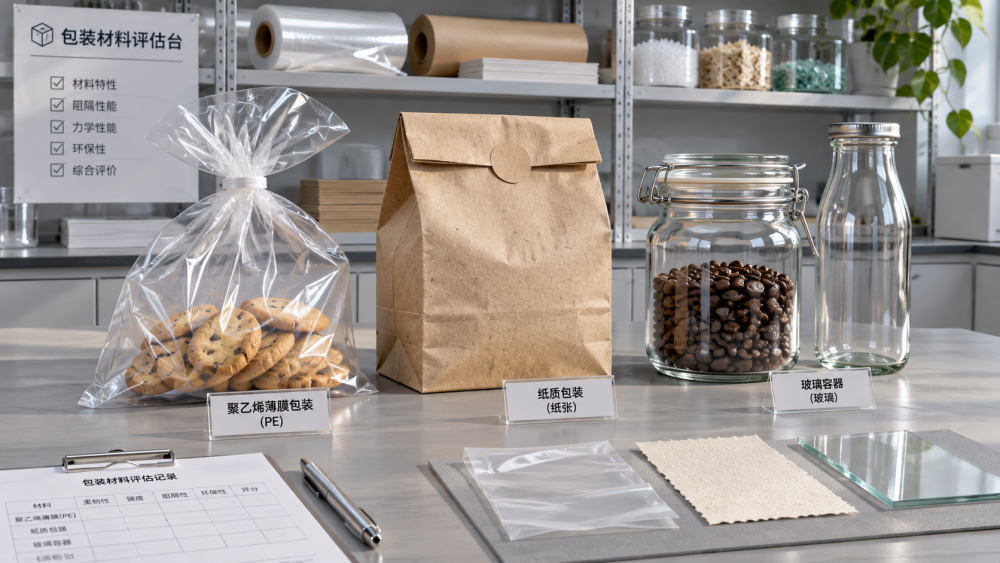
What the comparison can—and cannot—establish
The study's reported percentages offer a broad warning against treating paper or glass as automatically lower-emission substitutes. They do not establish that every paper or glass package has a higher emissions footprint than every polyethylene package. The result for an individual application would depend on the specific packaging options and the scope of the comparison.
That distinction matters when a business considers a material change for a particular product. A useful comparison would need to address whether the proposed alternative performs the same packaging function and which emissions are included in the assessment. The reported figures alone do not show how much each material, application or stage of the packaging system contributes to the overall result.
The different percentages for the United States and the global scenario also deserve careful interpretation. They indicate that the reported outcomes vary by geographic scope, but the figures by themselves do not explain why. They should therefore be read as separate results from the study, not as a basis for assigning the difference to any particular cause.
Implications for packaging decisions
The finding is especially relevant at the point where a proposed replacement is evaluated. A packaging purchaser comparing polyethylene with paper or glass may need an emissions assessment tailored to the intended use, rather than relying on the material name alone. A supplier presenting an alternative faces a related question: how the proposed package compares with the existing one when assessed on a consistent basis.
The study also has implications for circular economy strategies. Material substitution may serve one goal, while greenhouse gas emissions represent another measure of environmental performance. The reported results suggest that decision-makers should examine how those objectives interact before assuming that a change in material improves the overall outcome.
The percentages do not, on their own, settle the broader environmental comparison. They address greenhouse gas emissions in the reported replacement scenario; they do not establish a complete ranking of materials across every environmental consideration. Nor do they show whether a particular packaging change would produce the same result as the study's aggregate estimates.
Further scrutiny of the study's methods would help readers interpret the finding: which packaging applications and substitutes were included, how equivalent packaging functions were defined, and which stages and end-of-life assumptions were counted. Those details would determine how confidently the reported results can be applied to a specific purchasing or design decision.
Have questions about this sector analysis, or seeking best practices specific to your niche? Drop us a line below and let the senior consultants at GMM-Matrix assist you.
We respect your privacy. Your information is strictly confidential.
Related News
- 00
0000-00
Molding Equipment Guide: Choosing Machines by Material and Production Volume - 00
0000-00
China National Resources Recycling Association Discusses Takeout Packaging Recycling - 00
0000-00
Magnesium and Aluminum Prices Rebound, Raising Die Casting Costs - 00
0000-00
China's Industrial Profits Rise 16% in January–October 2026 - 00
0000-00
Injection Molding Automation Guide: Part Removal and Downstream Tasks
Tags
Weekly Insights
Stay ahead with our curated technology reports delivered every Monday.