
Latest Sector News




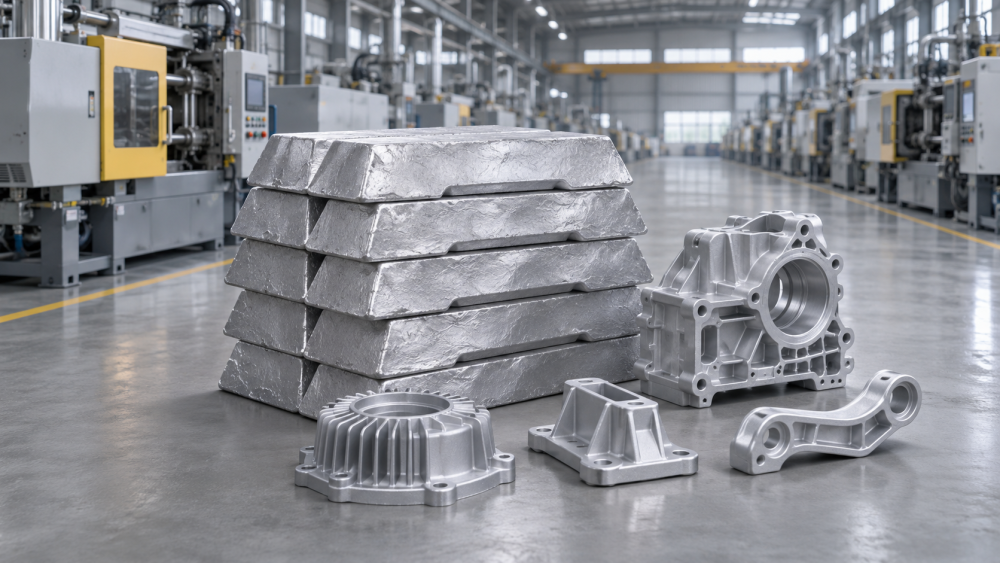
Magnesium and aluminum prices turned higher in the final week of November 2026, putting pressure on raw material costs for die casting companies. Expectations of production cuts and adjustments in supply and demand drove the reversal, with the increase in magnesium prices extending across several producing regions.
According to a November 27 quotation from the Magnesium Branch of the China Nonferrous Metals Industry Association, the weighted average price of Mg99.90 primary magnesium in Shaanxi reached 15,750 yuan per metric ton, up 250 yuan over the week. Prices in the producing regions of Shanxi and Ningxia also rose. Aluminum prices turned upward after a period of consecutive declines.
For buyers of magnesium and aluminum alloys, the change in direction matters alongside the size of the recorded magnesium increase. A falling metal market can ease pressure on new purchases, while a rebound changes the cost basis for material bought afterward. Whether that translates into higher costs for a particular die caster depends on its material, purchase timing and pricing arrangements.
From primary metal prices to casting costs
The most immediate link is procurement. Magnesium and aluminum are inputs for their respective die casting alloys, so higher underlying metal prices can raise the cost of replenishing material. The reported weekly increase applies to the weighted average price of primary magnesium in Shaanxi; it should not be treated as the exact increase in the price paid for every magnesium alloy or casting.
The aluminum price reversal points in the same direction, but the information available does not establish the size of its increase. The cost effect for aluminum die casters therefore cannot be quantified from the direction of the market alone.
Timing can also shape the impact. Material purchased before the rebound may have a different cost from a new order placed after prices rise. As a result, the effect on production costs may emerge as existing material is used and replacement purchases are made, rather than appearing uniformly across all work at once.
For orders already priced, the commercial effect depends on the terms agreed between suppliers and customers. Where a selling price remains fixed while replacement material becomes more expensive, the supplier may face pressure on the margin for that work. Where pricing terms allow material costs to be adjusted, the effect may be shared differently. The reported price movement does not establish which arrangements individual companies use.
What the reversal does and does not show
The increase in Shaanxi, together with the reported rises in Shanxi and Ningxia, shows that the magnesium upturn was not confined to a single producing region. It does not, by itself, establish that prices will continue to rise or that the increases were identical across those regions.
Expectations of production cuts and supply-and-demand adjustments help explain the stated drivers of the rebound. An expectation, however, is different from a confirmed reduction in output. The eventual effect on metal availability and prices will depend on how supply and demand develop after this period.
The distinction matters for die casters assessing future orders. A short-lived price rise and a sustained increase can create different purchasing pressures, even if both lift the cost of an immediate order. The November quotation provides a reference point for the magnesium market during the week; it is not a forecast of later prices.
Further association price information and other public market updates may help show whether the magnesium increase continues and how aluminum prices develop after their reversal. For casting costs, the relevant follow-through is the price of the specific alloy when a company needs to buy it, together with the terms on which that material is purchased and the resulting castings are sold.
Have questions about this sector analysis, or seeking best practices specific to your niche? Drop us a line below and let the senior consultants at GMM-Matrix assist you.
We respect your privacy. Your information is strictly confidential.
Related News
- 00
0000-00
Molding Equipment Guide: Choosing Machines by Material and Production Volume - 00
0000-00
China National Resources Recycling Association Discusses Takeout Packaging Recycling - 00
0000-00
Magnesium and Aluminum Prices Rebound, Raising Die Casting Costs - 00
0000-00
China's Industrial Profits Rise 16% in January–October 2026 - 00
0000-00
Injection Molding Automation Guide: Part Removal and Downstream Tasks
Tags
Weekly Insights
Stay ahead with our curated technology reports delivered every Monday.