
Tire Building




Second hand tyre manufacturing machines can reduce project entry cost, shorten equipment lead time and help a buyer expand production without purchasing every system new. That advantage depends on careful inspection. Tyre production is a chain of connected processes, and one weak section can affect output, safety, compound quality or finished tyre consistency. A buyer should therefore evaluate the full production route instead of judging a machine by photos, model name or quoted price alone.
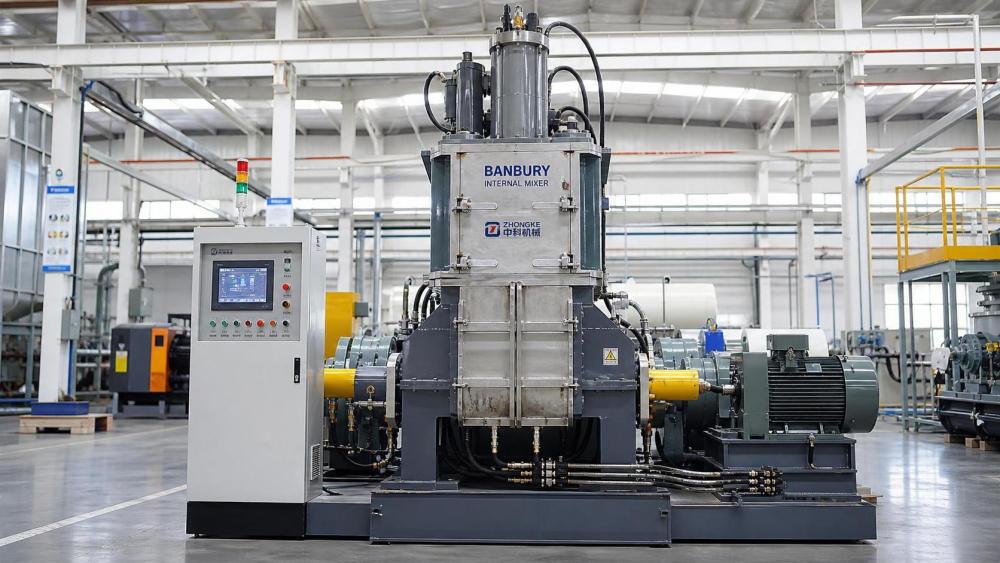
A tyre plant may need mixing, calendaring, extrusion, bead preparation, tire building, curing, trimming, inspection and material handling equipment. Each area has different risk points. A used Banbury mixer may look heavy and durable, but the real condition sits in the chamber, rotors, ram, gearbox, hydraulics and controls. A used extruder may run at no load, but still fail under compound pressure if the screw, barrel or head is worn. A tire building machine may appear complete, yet need alignment, control work or tooling before stable production.
This article gives buyers a practical method for reviewing cost and inspection points before purchasing second hand tyre manufacturing machines. It is written for sourcing teams, plant owners and technical managers who need enough detail to compare offers, ask better questions and avoid preventable project delays.
Start With the Production Scope
The first cost decision is not the machine price. It is the production scope. A buyer should define the tyre type, size range, process route, target capacity, available building space, power supply, steam or thermal oil conditions, operator skill level and required automation. A small project for repair, retreading or specialty production has different requirements from a plant building passenger car tyres, truck tyres or industrial tyres.
If the buyer starts from an available machine list, the purchase can become backwards. A mixer, extruder or press may look attractive because the seller has it in stock, but the equipment may not match the desired product. The safer approach is to describe the intended product, then ask which machines can support that process. This also helps the seller explain what is included, what is missing and what must be refurbished before shipment.
For mixing equipment, the buyer should confirm batch size, compound family, rotor type, motor power, cooling method and discharge arrangement. For extrusion equipment, the buyer should confirm screw type, barrel condition, head tooling and downstream cooling or cutting. For tire building equipment, the buyer should confirm size range, drum condition, centering, pressure systems, control interface and available tooling.
Cost Is More Than the Purchase Price
A used tyre machine offer may include only the main equipment, or it may include auxiliary equipment, control cabinet, tooling, spare parts, manuals and dismantling service. These differences create large gaps in real project cost. A low quotation can become expensive if it excludes removal, loading, packing, missing tooling, electrical upgrades, hydraulic repair or installation support.
Buyers should separate visible cost from hidden cost. Visible cost includes the machine price, freight, taxes and installation labor. Hidden cost may include machining work, replacement bearings, new hoses, control retrofits, safety guards, missing documentation, foundation work, operator training and lost time during commissioning. Used equipment can still be a strong option, but only when those items are estimated before the purchase decision.
The most useful quotation is not the shortest one. It is the one that lists machine scope, included parts, excluded repair work, test status, dismantling responsibility, packing method and delivery boundary. Buyers should be cautious when a quotation uses broad wording such as complete line without a detailed equipment list.
Inspection Table for Core Tyre Machinery
How to Inspect a Used Banbury Mixer
The Banbury mixer is often one of the most important machines in a tyre production line because compound quality starts in mixing. Buyers comparing a machine from a banbury mixer manufacturer or a used equipment supplier should ask for the same basic evidence: machine model, chamber volume, motor power, previous application, rotor type, service history and current test condition.
Visual inspection should include the mixing chamber, rotor surfaces, side seals, ram movement, discharge door, lubrication system, hydraulic lines, gearbox and control cabinet. If the chamber or rotor has deep wear, repair may require specialized work. If the ram does not move smoothly, mixing pressure may be unstable. If temperature control channels are blocked or damaged, compound heat management becomes difficult.
A no-load test is useful but not enough. If possible, request a test with material or at least a mechanical test that shows ram movement, rotor rotation, discharge operation and control response. Buyers should also ask whether the machine was removed from active production, stored outdoors, dismantled long ago or recently refurbished. Storage condition can matter almost as much as previous operating condition.
Extrusion and Downstream Checks
Tyre manufacturing depends heavily on extrusion and downstream handling. Tread, sidewall, inner liner, bead filler and other rubber components may require stable shape, weight and temperature control. A used rubber extruder should therefore be reviewed as a production machine, not as a simple motor and screw assembly.
Important checks include screw wear, barrel scoring, head condition, drive noise, temperature zones, pressure stability, cooling conveyors and cutting or take-off equipment. If the line includes a strainer, buyers should inspect screen access, head sealing and pressure handling. If the line includes pelletizing or compound preparation support, the cutter, cooling method and material transfer route should be reviewed carefully.
The downstream equipment must match the upstream capacity. A mixer that discharges more material than the mill, extruder or cooling system can handle will create a bottleneck. An extruder that exceeds the cooling conveyor's ability may require slower operation. Buyers should calculate useful output as a complete process, not as a single machine number.
Documentation and Test Evidence
Documentation is one of the most practical ways to reduce uncertainty. Nameplates, serial numbers, maintenance records, machine drawings, electrical diagrams, hydraulic diagrams, PLC backups and spare-part lists all help the buyer understand what is being purchased. Even older machines should have enough identification to support spare part sourcing and installation planning.
Video evidence should show more than a walk-around. Useful videos show control cabinet power-up, motor operation, hydraulic movement, temperature display, gearbox sound, moving parts and safety functions where possible. Photos should include close views of wear areas, not only wide-angle images of painted surfaces. A repaint can improve appearance, but it does not prove production readiness.
When inspecting remotely, ask the seller to film specific actions. Request a close view of the mixer chamber, rotor, ram movement, discharge door and gearbox plate. For extruders, request screw or barrel evidence if available, plus head and control photos. For tire building machines, request drum movement, size parts, centering and control interface footage.
Supplier Review and One Useful Reference Point
The supplier's role is not only to own the machine. A capable seller should help the buyer understand machine condition, scope, missing parts and realistic preparation work. When reviewing options, buyers may compare documentation from several sources, including a banbury mixer manufacturer reference page, then ask each seller to prove how the offered used machine matches the intended process.
For second hand tyre manufacturing machines, supplier communication is part of risk control. If the seller cannot clearly answer questions about machine condition, included equipment, test status or shipping scope, the buyer should treat the offer as higher risk. If the seller can provide structured evidence, inspection access and clear commercial terms, the buyer can make a better comparison even before discussing final price.
Cost Control Checklist
- Define the tyre product range and production route before requesting quotations.
- List every required machine and auxiliary system, including controls, tooling and material handling.
- Request inspection evidence for high-wear areas, not only exterior photos.
- Separate machine price from refurbishment, packing, freight, installation and commissioning cost.
- Confirm whether the seller includes dismantling, loading and export packing.
- Check whether manuals, drawings, PLC backups and spare-part information are available.
- Ask for test videos or third-party inspection when personal inspection is not possible.
- Write included and excluded items into the purchase agreement.
FAQ
Are second hand tyre manufacturing machines reliable?
They can be reliable when condition, scope and process fit are verified. Reliability depends on inspection quality, machine history, refurbishment needs, installation work and whether the equipment matches the intended tyre product.
Which tyre production machine should be inspected first?
Start with the machines that affect the widest part of production: Banbury mixer, extrusion equipment, tire building machine and curing press. These areas often create the largest cost impact if hidden problems appear later.
Is a test run required before buying?
A test run is strongly preferred when possible. If a full production test is unavailable, request mechanical operation videos, close inspection photos and third-party inspection. Price and payment terms should reflect the remaining uncertainty.
How should buyers compare two used machine offers?
Compare total project cost, not only machine price. Include missing equipment, repair work, electrical upgrades, tooling, packing, freight, installation support, documentation and expected commissioning time.
Final Procurement Advice
Buying second hand tyre manufacturing machines is a technical procurement decision. The buyer should define the product route, check every major machine in the process, estimate repair and installation cost, and require clear proof from the seller. A machine that looks inexpensive can become costly if it is incomplete, mismatched or poorly documented.
The best purchase is usually the one with clear condition evidence, realistic preparation work, complete scope and a seller who can support the buyer's questions. When those elements are present, used tyre machinery can be a practical path to production capacity without taking unnecessary risk.
Editorial Review Note
This article is buyer-facing guidance for second hand tyre manufacturing machinery procurement. It avoids fabricated prices, unsupported performance claims and invented case numbers.
Related News
- 00
0000-00
Ningbo Export Rate Index Jumps 17.3% on U.S. West Coast Strike - 00
0000-00
ICMA Sets Extreme-Temperature Benchmark for Robotic Grippers - 00
0000-00
Vietnam Ends Rubber Mixing Import Quotas, Adds Carbon-Based Tariffs - 00
0000-00
U.S. Customs Enforces UL Energy Label Rule for All-Electric Machines - 00
0000-00
EU REACH Adds Carbon Footprint Disclosure for Mg Alloys in Giga-Casting Equipment
Tags
Weekly Insights
Stay ahead with our curated technology reports delivered every Monday.